
How to Prepare Your Property Before a Light Demolition Project
A well-prepared property means faster demolition, fewer surprises, and better protection for your home and family.
Understanding Light Demolition Scope
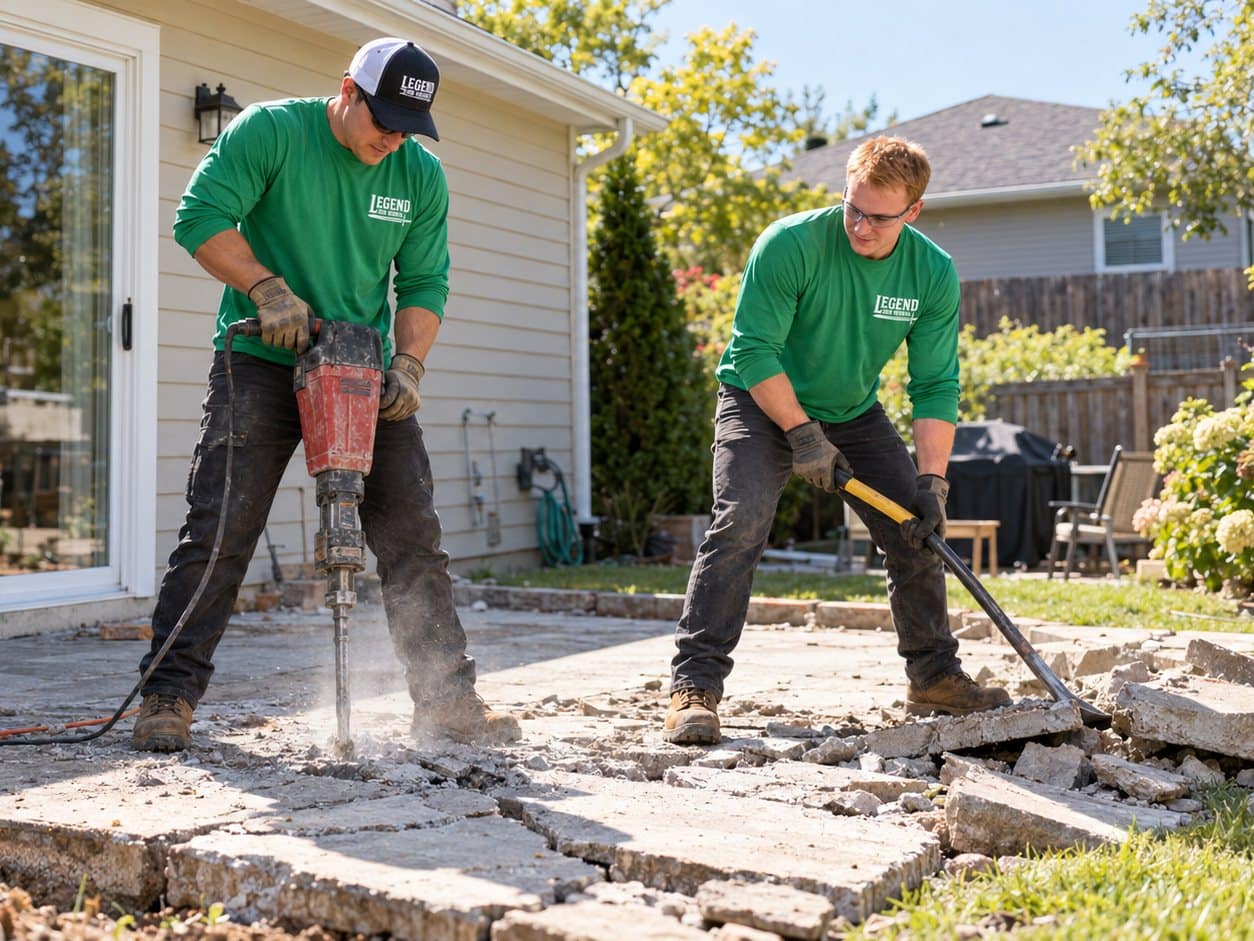
Light demolition is different from full structural demolition. It includes sheds, detached garages, decks, fences, interior walls, bathroom or kitchen fixtures, and similar projects. It does not include main house structures or load-bearing work that requires engineering. Being clear on scope prevents confusion and ensures we bring the right equipment and crew.
Examples of light demolition work:
- A storage shed in the backyard (wood frame)
- A detached garage
- A deck or porch
- An interior wall (non-load-bearing)
- Bathroom fixtures and vanities
- Kitchen cabinets
- A fence line
- A shed door or gate
Before anything else, be crystal clear about what’s being demolished. A shed in the backyard, a deck, a section of drywall, bathroom fixtures? The scope determines what we bring, how long the work takes, and what debris to expect. We’ll discuss this fully when you get your free estimate. Once we agree on what’s coming down, document it in writing so there are no surprises on demolition day.
Remove All Personal Belongings and Valuables
Clear out anything you don’t want damaged or lost. Demolition creates dust, flying debris, vibration, and chaos. Items you thought were safe often end up in the demolition debris pile.
This includes:
- Decorations, photos, and wall art
- Plants and potted items
- Personal items stored in cabinets, drawers, or shelves
- Collectibles and keepsakes
- Electronics
- Clothing or textiles
- Anything irreplaceable
Vibration alone can knock items off shelves. Dust settles on everything and takes time to clean. Items in cabinets or closets that are being demolished disappear into the debris. Remove everything removable, then do a second sweep to make sure. Walk through the demolition area one more time the morning of, just to confirm nothing was missed.
If an item has sentimental value, don’t risk it. Move it out of the zone entirely, not to an adjacent room where dust can reach it.
Seal Off Adjacent Spaces from Dust
If demolition is happening in one room, seal off adjacent spaces. We bring plastic sheeting to contain dust, but closing doors and sealing doorways adds another layer of protection. Dust from demolition settles far and wide, traveling through air vents and under doorways. Protecting your kitchen, bedrooms, and living areas keeps cleanup simpler after the work is done.
Close all interior doors to the demolition zone. Seal doorways with plastic sheeting if the door doesn’t seal well. Cover air vents and return-air grilles with plastic to prevent dust from traveling through the HVAC system. If the demolition is happening in a basement or attic, dust can settle throughout the house via ventilation systems.
The goal is to contain the debris cloud to the demolition area and a small buffer zone. This doesn’t eliminate cleanup but significantly reduces how much dusting you’ll need to do elsewhere. Your furniture, decorations, and other rooms stay cleaner, saving you hours of work after the demolition is complete.
Create Clear Access to the Work Area
Remove furniture, boxes, and anything else between the outside and the demolition zone. We need a clear path to enter, exit, and bring equipment through without navigating an obstacle course. This also protects your belongings from accidental damage as crew members move through your home.
Shut Off and Disconnect All Utilities First
Demolished structures often have electrical, water, or gas connections. Know where these are and have them shut off or disconnected by a licensed professional before we arrive. This is non-negotiable for safety.
Types of utilities to check for:
- Electrical: lights, outlets, outdoor fixtures in sheds or garages
- Water: lines to outdoor faucets, appliances in a shed or garage
- Gas: gas appliances, heaters, or main line connections
- Drainage: sewer or septic connections for outdoor structures
A water line running through a wall you’re demolishing can flood your home if accidentally cut. A light fixture in a ceiling being removed becomes a hazard if it’s still connected to power. Gas connections are extremely dangerous if mishandled. A live electrical line can cause serious injury.
These all need to be handled safely before any demolition starts. We can advise on whether you need a professional electrician, plumber, or gas technician, but the work should be done before we arrive. Do not attempt to disconnect these yourself unless you’re trained and experienced. The cost of hiring a professional is far less than the cost of a gas leak, electrical fire, or water damage.
Secure Pets and Keep Children Away
Demolition involves loud noise, dust, falling debris, and heavy equipment. Animals get stressed, and kids get curious. Plan for pets and children to be elsewhere during the project. A neighbor’s house, a friend’s place, or even a local park is better than having them on-site trying to stay out of harm’s way.
Communicate With Your Neighbors
A demolition project means noise, dust, and sometimes dumpsters in your driveway. Neighbors should get a heads-up about when work will happen and roughly how long it will take. Unexpected noise and dust at 8am can damage goodwill if it’s not anticipated. A simple conversation or note prevents complaints and keeps the peace.
Demolition work is usually scheduled during daylight hours, typically between 8am and 5pm, so the noise lands at a reasonable time for neighbors. We are reachable 24 hours a day, seven days a week, so the exact timing depends on your schedule and our availability. Let neighbors know the duration, too. A deck removal might take one day. A shed demolition could take two or three days. A kitchen renovation involving drywall and fixtures might take a week.
If neighbors’ property is close to the demolition area, confirm that boundary lines are clear and debris won’t spill into their yards. Taking a moment to be a good neighbor prevents disputes and makes the whole process smoother.
Prepare for Dust and Noise Disruption
Even with dust containment, demolition creates airborne particles and noise. Expect your home to be loud and dusty during work hours. This is not the week to host guests or have a quiet work-from-home day.
Keep windows and doors closed in adjacent rooms. If anyone in your home has respiratory issues (asthma, allergies, COPD), plan for them to be away during the heaviest demolition days. Dust and noise can trigger breathing problems and cause discomfort. Staying at a friend’s or family member’s place for demolition days is a reasonable precaution.
Noise will be present for the duration of the work. Expect mornings and early afternoons, typically between 8am and 5pm. Power tools, prying, cutting, and hauling create steady noise levels. Wearing earplugs helps if you must be home. Pets also get stressed by noise, so plan for them to be in a secure, quieter area or away from home entirely.
After demolition, dust cleanup takes time. Wear a mask while cleaning, and use a HEPA-filter vacuum rather than sweeping, which stirs dust back up. Being prepared mentally and practically makes the disruption easier to tolerate and move past.
Think About What Comes Next
After demolition, what? Debris removal is part of what we handle, but reconstruction (new drywall, flooring, paint) is separate. Have your next contractor lined up if immediate rebuild is your plan. If there’s a gap between demolition and rebuilding, know what you’re doing with the open space until work resumes.
Common Mistakes Homeowners Make Before Demolition
Don’t assume utilities are where you think they are. Water lines and electrical can run through unexpected places. Have them located and handled professionally if you’re unsure. Don’t leave personal items in cabinets or closets thinking they’ll be protected. They won’t be. Empty everything. And don’t schedule demolition for a time when someone’s taking care of a young child or managing a pet alone. Too many moving pieces.
What to Expect on Demolition Day
We’ll arrive within your scheduled window. We’ll set up dust containment, establish our work zone, and begin removing the structure or fixture. Depending on the scope, work might take a few hours or several days. We’ll haul away debris as we go, and by the end, the area will be cleared. You’ll see the difference immediately.
Spokane Homeowners: Plan Ahead for Easier Demolition
A few hours of preparation (removing belongings, confirming utilities, clearing access) makes the actual demolition faster and cleaner. It also protects your home and family from unnecessary risk. Ready to start planning? Call Legend Junk Removal at (509) 761-4999 for a free estimate. We’ll walk you through exactly what to prepare and what we’ll handle on our end.