
Can Refrigerators and Freezers Be Recycled?
Old refrigerators and freezers are recyclable. Here's what happens to them and why professional removal ensures proper handling.
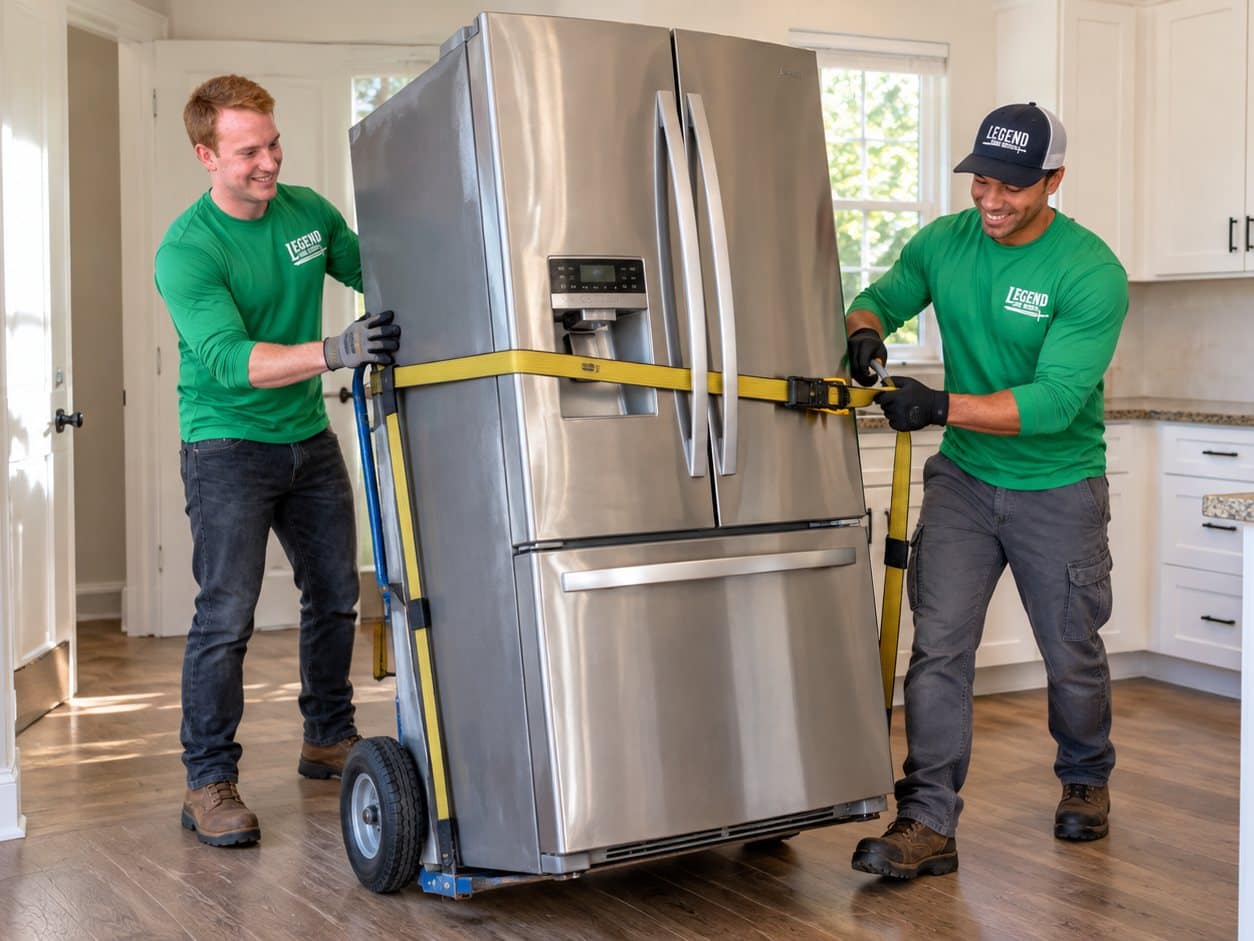
Why Refrigerators and Freezers Shouldn’t Be Sent Directly to the Landfill
Refrigerators and freezers are not simple appliances. They’re complex machines with multiple systems. The shell is steel and aluminum. Inside are copper wiring, aluminum coils, compressors, and electrical components. The insulation is foam. The shelves are glass and plastic. The door seals are rubber. Every component has material value.
But more importantly, refrigerators contain refrigerant. This is a controlled substance. When a refrigerator sits in a landfill and breaks down, the refrigerant leaks into the environment. Older refrigerants (CFCs and HCFCs) damage the ozone layer. This isn’t a minor environmental issue. It’s serious enough that federal law regulates how refrigerants are handled. Proper handling captures the refrigerant, removes it safely, and prevents environmental damage.
Beyond the refrigerant concern, metals, glass, and plastics in a refrigerator take decades to break down in a landfill. Proper recycling captures and reuses these materials. The environmental cost of mining new metals and manufacturing new plastic is significant. Recycling saves resources and energy. A recycled refrigerator keeps hazardous refrigerants out of the environment and recovers valuable materials.
What Parts of a Refrigerator Can Be Recycled?
Almost all of a refrigerator is recyclable. The steel and aluminum shell has significant material value. Copper wiring is highly recyclable and expensive. Aluminum coils are recovered. Glass shelves are recycled into new glass products. Plastic components are sorted by type. The door seals are removed for separate handling. Even the foam insulation is reclaimed in specialized facilities.
In a proper recycling facility, a refrigerator is carefully disassembled. The refrigerant is removed first by a certified technician. Then the appliance is cut apart systematically. Metals are separated by type using magnets and other separation methods. Plastic goes to plastic sorting lines. Glass is crushed. Nothing is wasted.
The metals recovered from a single refrigerator include steel, copper, and aluminum. These metals are melted at high temperatures and reformed into new ingots and sheets for manufacturing. A refrigerator’s worth of recovered copper alone has value. Over thousands of recycled units, the recovered material becomes significant.
Why Refrigerants Require Special Handling
Refrigerants are controlled substances in the United States. Federal law mandates that they be captured before any refrigerator or freezer is recycled or scrapped. The reason is ozone protection. Older refrigerants (CFCs and HCFCs used before the 1990s) destroy the ozone layer when released to the atmosphere. This isn’t theoretical. The ozone hole over Antarctica is real. Ozone depletion is a global environmental crisis.
A trained and EPA-certified technician is required to remove refrigerant. You cannot drain it yourself. It requires specialized equipment and proper safety procedures. The removed refrigerant is either destroyed in an EPA-approved facility or reclaimed and reused. This is non-negotiable for proper appliance recycling.
Newer refrigerators use HFC or HFO refrigerants which don’t damage the ozone layer, but they still must be captured to prevent atmospheric release. Proper handling protects air quality and climate.
What About Freezers?
Freezers operate on the same principle as refrigerators. They contain the same refrigerants and similar material composition. Chest freezers, upright freezers, and combination units all follow the same recycling protocol in Spokane. The refrigerant must be removed by a certified technician before any other processing happens. Then they’re disassembled and materials are recovered exactly as with a refrigerator.
An old freezer in your garage is recyclable. A commercial freezer from a restaurant is recyclable. The process is the same. The size doesn’t matter. The condition doesn’t matter. If it’s a refrigerated appliance, it can be recycled.
Environmental Benefits of Recycling Refrigerators
Recycling an old refrigerator keeps dangerous refrigerants out of the atmosphere, saves energy used to produce brand-new materials, and diverts a large, heavy appliance from a landfill. A single refrigerator might contain 10 pounds of recoverable metal and 5 pounds of recyclable plastic. Multiply that across thousands of refrigerators recycled every year in Spokane. The environmental impact is significant.
Mining new aluminum, copper, and steel consumes enormous amounts of energy. Recycling uses a fraction of that energy. Over the lifespan of recycled materials, energy savings are substantial. The materials also retain their properties. Recycled copper is as pure as new copper. Recycled aluminum is as strong as new aluminum.
Preparing Your Refrigerator or Freezer for Recycling
Before removal, empty the appliance completely. Remove all food and perishables. Leave shelves, drawers, and ice-maker trays in place unless they’re broken or damaged. Don’t try to drain the water line yourself. The recycling center handles all of that. Make sure the door is functional and seals properly if possible. That’s it. No other prep is needed.
If there’s food still in the freezer, defrost it first or remove it. Don’t wait for the recycling crew. An empty appliance is easier to load and transport. If the door is broken or won’t seal, let us know. It doesn’t prevent recycling, but we’ll handle loading differently.
Can You Recycle a Broken Refrigerator?
Yes. A broken refrigerator is still recyclable. Whether it won’t cool, has a cracked door, a broken compressor, or is simply old and outdated, it goes through the same recycling process. The refrigerant is still captured safely. All materials are still recovered. The condition doesn’t matter. It’s the material value and proper refrigerant handling that matters.
Is Appliance Recycling Different From Scrap Metal Recycling?
It’s related but different. A standard scrap yard handles metal but doesn’t safely capture refrigerant. That’s a major difference. Appliance recycling centers have certified technicians who remove the refrigerant first, then disassemble and sort materials. This is why it’s important to use an appliance-specific recycler, not a general metal recycler. You need the refrigerant handled properly, which general scrap yards cannot do.
What Happens After Your Refrigerator Is Recycled?
The metals are melted and reformed into new products. Copper and aluminum are particularly valuable. Copper goes into electrical wiring, plumbing, and electronic components. Aluminum goes into new appliances, aircraft, and construction materials. Plastic components are sorted by type and sold to processors making new plastic goods. Glass is crushed and used in new products.
The refrigerant removed is destroyed in an EPA-approved facility. There’s a specialized infrastructure for this. The gas is incinerated at high temperatures in secure facilities, converting it to harmless compounds. That’s the process. Everything has a destination.
Common Myths About Refrigerator Recycling
Myth: Refrigerators can be donated if they still work. Reality: Many older fridges are no longer safe or energy-efficient. Donation centers often refuse them due to size and energy use. Recycling is the responsible choice for older units, even if they technically still function.
Myth: Freezers don’t contain harmful refrigerants. Reality: Freezers use the same refrigerants as refrigerators and require the same careful handling. There’s no exception for freezers.
Myth: You can remove the refrigerant yourself. Reality: Refrigerant removal requires EPA certification and specialized equipment. Professional removal is required. It’s not legal to DIY this step.
Myth: Recycling is too expensive for old appliances. Reality: Recycling is free or low-cost for homeowners. Professionals handle it as part of their service.
Spokane Homeowners: Plan Ahead Before Appliance Pickup
If you’re replacing an old refrigerator or freezer, schedule removal before the new unit arrives. Our crew picks up old appliances and recycles them where possible. Same-day service is available for Spokane properties. You don’t want the old unit sitting in your kitchen while you’re waiting for pickup. Coordinate removal and replacement on the same day if possible.
Why Professional Appliance Removal Makes Recycling Easier
You don’t handle the heavy appliance. You don’t deal with refrigerant removal. You don’t figure out where to take it or negotiate with recycling centers. We pick it up, ensure it’s recycled properly, and leave your space clean. Licensed, bonded, and insured. Free estimate on every job. We handle the logistics. You enjoy your new appliance.
Get In Touch With Us
Call Legend Junk Removal at (509) 761-4999. Available 24 hours a day, seven days a week.